Your Cart is Empty


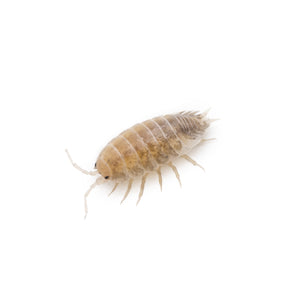
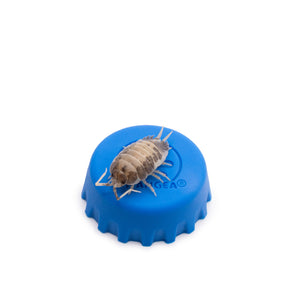
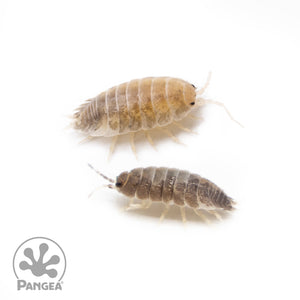


Porcellio laevis 'Milkback' Isopods
• Native to Europe
• Temperature Range: 50–85°F (10–29°C)
• Humidity Preference: Low to Medium (40–60%)
• Average Adult Size: 2.0 cm (~0.8")
• Brown base color with vertical white “stripe” pattern
• Likely an expression of piebaldism
• Soft or rotting wood
• Leaf litter and decaying plant matter
• Calcium sources (e.g., cuttlebone, eggshell, PangeaCal Calcium)
• Protein (e.g., freeze-dried shrimp, minnows, fish pellets, dried insects)
• Commercial insect food (e.g., Pangea Roach & Cricket Food)
• Vegetables (e.g., carrots, zucchini, sweet potatoes, pumpkin, cucumber)
• Fruits (e.g., bananas, apples, watermelon, mango)
Note: Porcellio laevis and Porcellio scaber have high protein requirements and may bite reptiles if not provided with adequate supplemental protein.
Milk Back Isopods are known for their attractive coloration and are considered a joy to watch due to their size and activity. They are one of the longer-living species in the hobby and quickly establish productive colonies. Their distinctive white stripe piebald pattern sets them apart visually from other Porcellio laevis morphs.
For successfully setting up a master culture setup of isopods we recommend using 6 qt - 32 qt plastic shoebox tubs. Locking tubs are optional but provide added security. Creating a series of small holes on alternating sides of the container will help to achieve healthy flow and reduce mold. Adding 1-3 inches (more for burrowing species) of pre-soaked Pangea ABG Substrate will provide a suitable substrate. Adding Pangea Sphagnum Moss, Pangea Leaf Litter Decor (the more the better), and pieces of wood or cork bark will help provide multiple layers for isopods to inhabit and feel safe. Mist culture as needed.
*Co-habitation amongst separate species of Isopod is not recommended.
*This animal can only be shipped to theUS Contiguous, except LA, OR, and FL because of state regulations.


