Your Cart is Empty


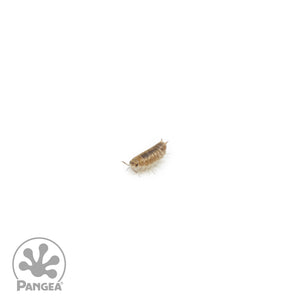
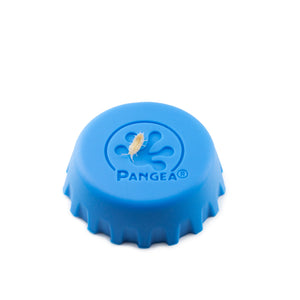
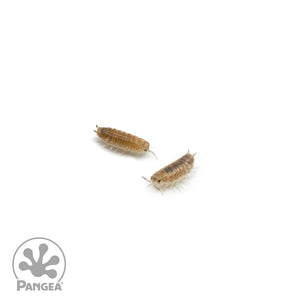
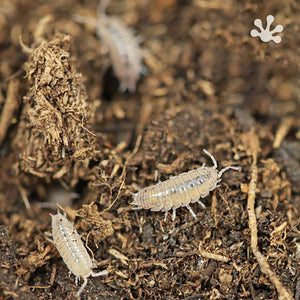

Niambia capensis 'African Cape' Isopods
• Native to South Africa
• Temperature Range: 72–77°F (22–25°C)
• Humidity Preference: Medium to High (60–80%)
• Thrives in semi-arid to humid environments with good ventilation and access to decaying material
• Average Adult Size: 0.9 cm (~0.35")
• Dwarf isopod with a slightly larger body than Dwarf White or Dwarf Purple
• Coloration varies by individual including cream, gray, purple, combinations
• Elongated, oval shaped body
• Soft or rotting wood
• Leaf litter and decaying plant matter
• Calcium sources (e.g., cuttlebone, eggshell, PangeaCal Calcium)
• Protein (e.g., freeze-dried shrimp, minnows, fish pellets, dried insects)
• Commercial insect food (e.g., Pangea Roach & Cricket Food)
• Vegetables (e.g., carrots, zucchini, sweet potatoes, pumpkin, cucumber)
• Fruits (e.g., bananas, apples, watermelon, mango)
Niambia capensis, or the African Cape Isopod, is a versatile dwarf species, slightly larger and more visible than other dwarves, it reproduces a bit slower but is far more active and bold, making it a great candidate for display tanks and cleanup duties. Its fast pace and unique habitat origins also make it one of the few dwarf species adapted to semi-arid conditions, offering a reliable option for drier bioactive setups.
For successfully setting up a master culture setup of isopods we recommend using 6 qt - 32 qt plastic shoebox tubs. Locking tubs are optional but provide added security. Creating a series of small holes on alternating sides of the container will help to achieve healthy flow and reduce mold. Adding 1-3 inches (more for burrowing species) of pre-soaked Pangea ABG Substrate® will provide a suitable substrate. Adding Pangea Sphagnum Moss, Pangea Leaf Litter Decor (the more the better), and pieces of wood or cork bark will help provide multiple layers for isopods to inhabit and feel safe. Mist culture as needed.
*Co-habitation amongst separate species of Isopod is not recommended.
*This animal can only be shipped to theUS Contiguous, except LA, OR, and FL because of state regulations.


