Your Cart is Empty


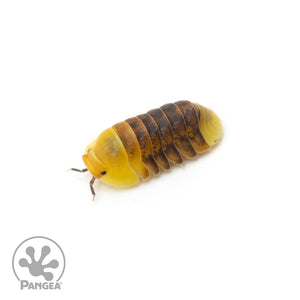
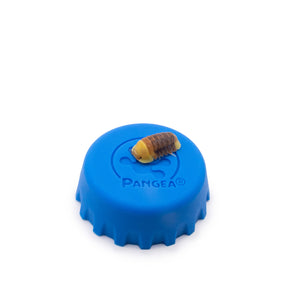
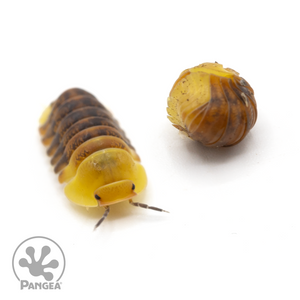
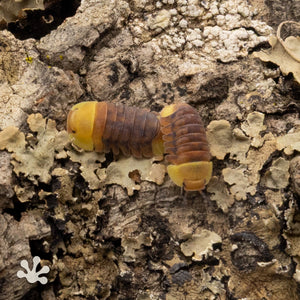

Cubaris sp. ‘Rubber Ducky’ Isopods
• Native to Thailand
• Temperature Range: 75–80°F (24–27°C)
• Humidity Preference: Very High (80–90%)
• Average Adult Size: 1.5 cm (~0.6")
• Iconic facial pattern and yellow coloration give them the appearance of a tiny rubber duck
• Soft or rotting wood
• Leaf litter and decaying plant matter
• Calcium sources (e.g., cuttlebone, eggshell, PangeaCal Calcium)
• Protein (e.g., freeze-dried shrimp, minnows, fish pellets, dried insects)
• Commercial insect food (e.g., Pangea Roach & Cricket Food)
• Vegetables (e.g., carrots, zucchini, sweet potatoes, pumpkin, cucumber)
• Fruits (e.g., bananas, apples, watermelon, mango)
Cubaris sp. "Rubber Ducky" is arguably the most iconic and highly sought-after isopod in the hobby. Beloved for their distinct “duck-like” facial markings, they gained viral popularity after their discovery in 2017. Their specific environmental needs such as deep burrowing behavior and prolonged molting periods beneath the substrate make them more challenging to care for, but their unmatched appearance and rarity continue to drive demand from collectors around the globe.
For successfully setting up a master culture setup of isopods we recommend using 6 qt - 32 qt plastic shoebox tubs. Locking tubs are optional but provide added security. Creating a series of small holes on alternating sides of the container will help to achieve healthy flow and reduce mold. Adding 1-3 inches (more for burrowing species) of pre-soaked Pangea ABG Substrate will provide a suitable substrate. Adding Pangea Sphagnum Moss, Pangea Leaf Litter Decor (the more the better), and pieces of wood or cork bark will help provide multiple layers for isopods to inhabit and feel safe. Mist culture as needed.
*Co-habitation amongst separate species of Isopod is not recommended.
*This animal can only be shipped to theContiguous US, except LA, OR, and FL because of state regulations.


