Your Cart is Empty



IMPORTANT ANNOUNCEMENT:due to carrier delays we cannot schedule live animal shipments between 11/20 - 12/5 and 12/18 - 1/5.Learn Why
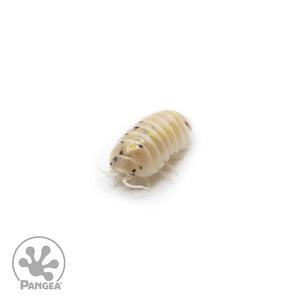
Armadillidium vulgare ‘Magic Potion’ Isopods
• Native to North America
• Temperature Range: 70–85°F (21–29°C)
• Humidity Preference: Medium (50–70%)
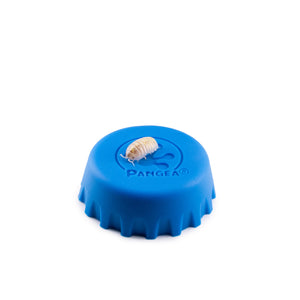
• Average Adult Size: 2.1 cm (~0.83")
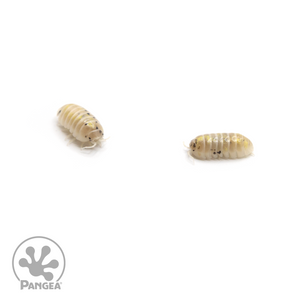
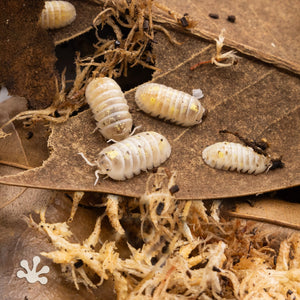
• Milky white exoskeleton with scattered yellow and black spots
• Fully conglobating (rolls into a ball when disturbed)
• Soft or rotting wood
• Leaf litter and decaying plant matter
• Calcium sources (e.g., cuttlebone, eggshell, PangeaCal Calcium)
• Protein (e.g., freeze-dried shrimp, minnows, fish pellets, dried insects)
• Commercial insect food (e.g., Pangea Roach & Cricket Food)
• Vegetables (e.g., carrots, zucchini, sweet potatoes, pumpkin, cucumber)
• Fruits (e.g., bananas, apples, watermelon, mango)
Magic Potion is a vivid and popular morph of A. vulgare, resulting from the dalmatian gene's effect on pigment distribution. The natural yellow spotting in wild-types remains, while dark pigments break up into distinctive black speckles. The result is a whimsical, potion-like appearance. The American line of Magic Potion tends to be larger and more boldly spotted than its Japanese counterpart. Ideal for display and bioactive setups alike!
For successfully setting up a master culture setup of isopods we recommend using 6 qt - 32 qt plastic shoebox tubs. Locking tubs are optional but provide added security. Creating a series of small holes on alternating sides of the container will help to achieve healthy flow and reduce mold. Adding 1-3 inches (more for burrowing species) of pre-soaked Pangea ABG Substrate will provide a suitable substrate. Adding Pangea Sphagnum Moss, Pangea Leaf Litter Decor (the more the better), and pieces of wood or cork bark will help provide multiple layers for isopods to inhabit and feel safe. Mist culture as needed.
*Co-habitation amongst separate species of Isopod is not recommended.
*This animal can only be shipped to theContiguous US, except LA, OR, and FL because of state regulations.


