Your Cart is Empty



Armadillidium peraccae Isopods
• Native to Greece and Italy
• Temperature Range: 68–77 °F (20–25 °C)
• Humidity Preference: Low (30–40%)
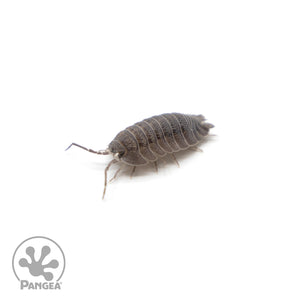
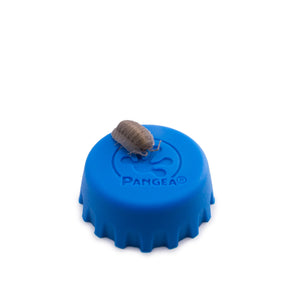
• Average Adult Size: 1.8 cm (~0.71")
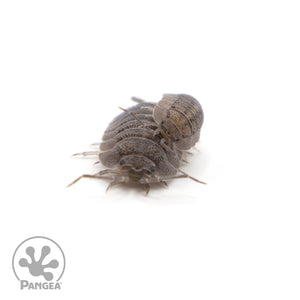
• Rugged, bumpy shell in shades of silver‑gray to beige
• Subtle blue undertones visible in certain light, especially on lighter individuals
• Fully conglobating pill‑bug that often rests curled
• Soft or rotting wood
• Leaf litter and decaying plant matter
• Calcium sources (e.g., cuttlebone, eggshell, PangeaCal Calcium)
• Protein (e.g., freeze-dried shrimp, minnows, fish pellets, dried insects)
• Commercial insect food (e.g., Pangea Roach & Cricket Food)
• Vegetables (e.g., carrots, zucchini, sweet potatoes, pumpkin, cucumber)
• Fruits (e.g., bananas, apples, watermelon, mango)
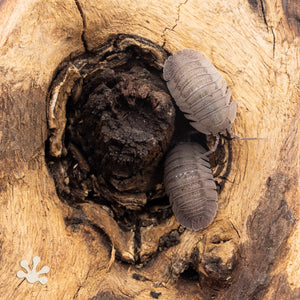
Armadillidium peraccae breeds quickly and excels as a bioactive janitor, yet its coarse, bumpy shell and faint blue highlights give it eye‑catching appeal without the price tag of “showpiece” species. Individuals commonly huddle under bark during the day, emerging in groups at night. Easy husbandry, temperate‑to‑semi‑arid tolerance, and a strong feeding response make A. peraccae a top choice for keepers seeking a hardy, attractive isopod that reproduces readily.
For successfully setting up a master culture setup of isopods we recommend using 6 qt - 32 qt plastic shoebox tubs. Locking tubs are optional but provide added security. Creating a series of small holes on alternating sides of the container will help to achieve healthy flow and reduce mold. Adding 1-3 inches (more for burrowing species) of pre-soaked Pangea ABG Substrate will provide a suitable substrate. Adding Pangea Sphagnum Moss, Pangea Leaf Litter Decor (the more the better), and pieces of wood or cork bark will help provide multiple layers for isopods to inhabit and feel safe. Mist culture as needed.
*Co-habitation amongst separate species of Isopod is not recommended.
*This animal can only be shipped to theContiguous US, except LA, OR, and FL because of state regulations.


