Your Cart is Empty


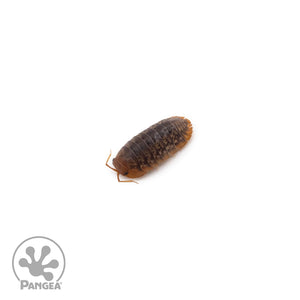
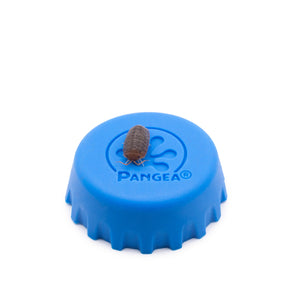
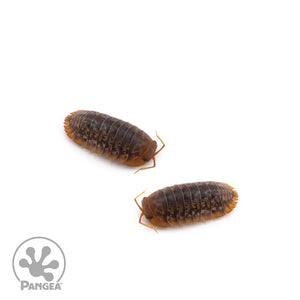
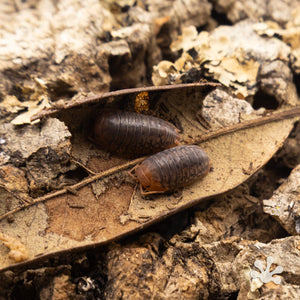

Sinodillo sp. ‘Vietnam’ Isopods
(Formerly known as "Merulanella")
• Native to Asia, most likely China
• Temperature Range: 68–79°F (20–26°C)
• Humidity Preference: Medium (50–70%)
• Average Adult Size: 1.0–1.2 cm (~0.40–0.47")
• Distinctive gray-brown to bluish body with a red head and skirt
• Soft or rotting wood
• Leaf litter and decaying plant matter
• Calcium sources (e.g., cuttlebone, eggshell, PangeaCal Calcium)
• Protein (e.g., freeze-dried shrimp, minnows, fish pellets, dried insects)
• Commercial insect food (e.g., Pangea Roach & Cricket Food)
• Vegetables (e.g., carrots, zucchini, sweet potatoes, pumpkin, cucumber)
• Fruits (e.g., bananas, apples, watermelon, mango)
Sinodillo sp. “Vietnam” is a vibrant, fast-producing isopod species known for its unique blend of brown-gray tones accented by a deep red head and skirt. Originally mislabeled as Merulanella, new research has correctly placed them in the genus Sinodillo. Their quick movements, surface-dwelling tendencies, and bold coloration make them fascinating display isopods for both beginner and experienced keepers. This species thrives at slightly cooler temperatures than many tropical isopods and benefits from medium humidity with well-maintained substrate moisture. Attractive, active, and easy to maintain, “Vietnam” Sinodillos are an excellent choice for keepers wanting something colorful and energetic!
For successfully setting up a master culture setup of isopods we recommend using 6 qt - 32 qt plastic shoebox tubs. Locking tubs are optional but provide added security. Creating a series of small holes on alternating sides of the container will help to achieve healthy flow and reduce mold. Adding 1-3 inches (more for burrowing species) of pre-soaked Pangea ABG Substrate will provide a suitable substrate. Adding Pangea Sphagnum Moss, Pangea Leaf Litter Decor (the more the better), and pieces of wood or cork bark will help provide multiple layers for isopods to inhabit and feel safe. Mist culture as needed.
*Co-habitation amongst separate species of Isopod is not recommended.
*This animal can only be shipped to theUS Contiguous, except LA, OR, and FL because of state regulations.


